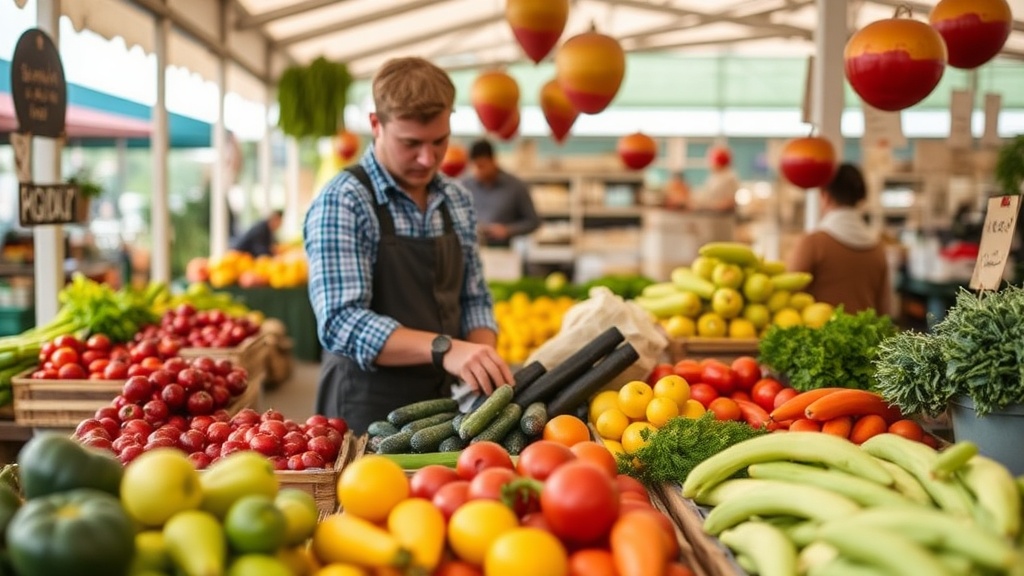
Finding the Best Seasonal Produce at Local Farm Stands

Quick Tip
Always check for 'picked today' signs to ensure you are getting the highest nutrient density and flavor.
Most people think buying from a farm stand is just a way to get slightly fresher vegetables, but it's actually about timing and variety. If you show up at a stand in the middle of July expecting corn when it's actually peak strawberry season, you're going to leave empty-handed. This post explains how to track seasonal cycles in Eastern Ontario so you get the best produce at the right price.
When is the best time to buy seasonal produce in Ontario?
The best time to buy is during the peak harvest windows for specific crops, which usually occurs between late June and early October in our region. Strawberries hit the scene in late June, followed by stone fruits like peaches in July, and the heavy hitters—corn and heirloom tomatoes—in late summer.
Don't just wander aimlessly. You'll want to check the Ontario Ministry of Agriculture, Food and Rural Affairs website or similar provincial resources to understand the growing seasons. Knowing that a frost-free window is vital helps you plan your shopping trips. If you're planning a bigger outing, you might want to plan a perfect weekend in Dunrobin to hit multiple stops in one go.
How much does local produce cost compared to grocery stores?
Local produce prices fluctuate based on the current harvest volume and can sometimes be higher than big-box stores for out-of-season items. However, when a crop is at its peak—like sweet corn in August—you'll often find much better value at a local stand than at a supermarket.
Here is a quick breakdown of what to expect during the Ontario seasons:
| Season | Top Products | Pro Tip |
|---|---|---|
| Early Summer (June/July) | Strawberries, Rhubarb | Buy early in the morning. |
| Mid Summer (July/August) | Peaches, Tomatoes, Corn | Look for "seconds" for baking. |
| Late Summer (August/Sept) | Apples, Squash, Peppers | Great for long-term storage. |
How can I tell if the produce is actually fresh?
Look for vibrant color and firm textures, as these are the primary indicators of quality. For example, a tomato should feel heavy for its size and have a slight give—if it's rock hard, it's underripe; if it's mushy, it's past its prime.
Check the stems. If you're buying berries or greens, the stems should look hydrated, not dried out or brown. It's a small detail, but it matters (trust me, I've learned this the hard way). Also, keep an eye on the weight of the containers; heavy fruit usually means higher water content and better juice. For more scientific data on food quality and safety standards, you can always check the Government of Canada food safety pages.