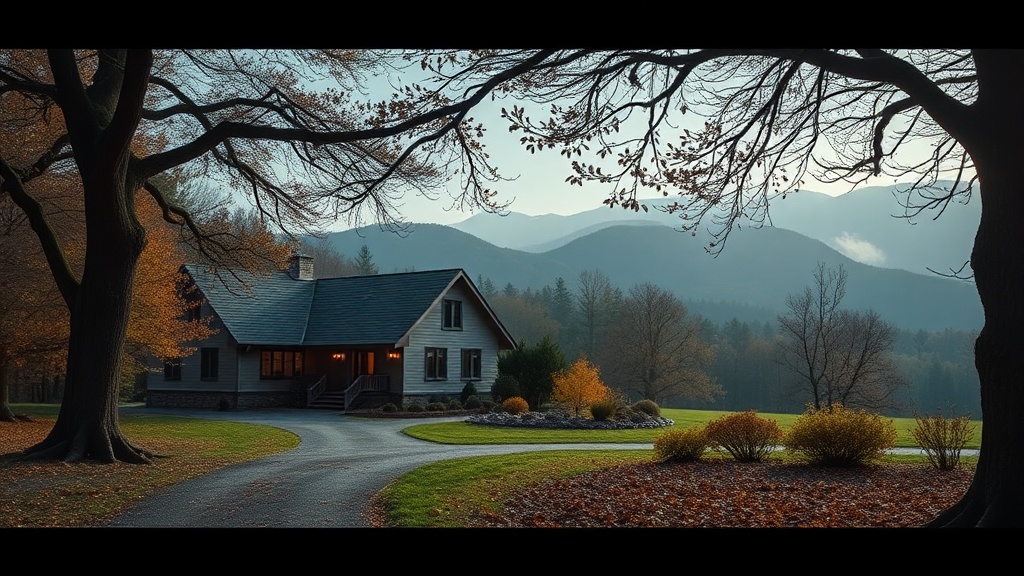
Managing Your Dunrobin Property During Seasonal Transitions

Preparing Your Dunrobin Home for the Changing Seasons
Did you know that even a small crack in a Dunrobin driveway or foundation can expand significantly during our local freeze-thaw cycles? Dealing with the erratic weather in our corner of the Ottawa Valley isn't just about aesthetics; it's about protecting your long-term investment. We're seeing more unpredictable shifts in temperature lately, which means our homes in Dunrobin need a bit more attention than they might have a decade ago. This guide covers the practical steps we can all take to keep our properties in top shape during the transition from autumn to winter.
Living in Dunrobin means we're much more exposed to the elements than folks living in the denser parts of Ottawa. Our properties often have more acreage, more trees, and more exposed edges. Whether you live near the Maeille River or out on one of the larger rural lots near Dunrobin Road, you have to be proactive. It's not just about shoveling snow; it's about preventing the damage before it starts. We've seen many neighbors struggle with preventable issues because they missed a single season of maintenance.
How do I protect my Dunrobin garden and landscaping?
As the frost starts hitting the ground around Dunrobin, your garden needs a plan. We can't just leave everything to chance. First, ensure your perennials are pruned back—but not too early. If you cut them back in late summer, the first frost might kill the roots. Second, focus on drainage. We've noticed that many newer developments in the Dunrobin area struggle with water pooling near the foundations once the snow melts. Make sure your downspouts are directing water at least six feet away from your home. If you have a large property, check that your grading still slopes away from the house. You can find more information on local soil and drainage standards through the City of Ottawa website to ensure your yard isn't contributing to local runoff issues.
Mulching is another big one for us locals. A thick layer of mulch helps regulate soil temperature, which is a lifesaver when Dunrobin temperatures drop twenty degrees in a single night. If you're near the more wooded areas of our community, watch out for fallen branches that might have been dropped by recent winds. Clearing these out now prevents them from becoming hazards once the heavy snow arrives.
What are the best ways to maintain my driveway and walkways?
Our winters can be brutal on our driveways. Whether you have crushed stone or paved surfaces, the freeze-thaw cycle is your enemy. We recommend avoiding heavy salt use, which can degrade the surface of your driveway and harm the local soil. Instead, look for calcium chloride-based products that are a bit genticial on the environment—something we should all care about as Dunrobin residents. Keeping your walkways clear of debris also prevents ice from forming in the cracks, which is a common way for potholes to form in the spring.
- Clear fallen leaves immediately; they turn into a slippery mess when wet.
- Check your gutter systems; a clogged gutter leads to ice dams on your roof.
- Store your garden hoses in a garage or shed to prevent them from bursting.
If you live on a property with a long driveway, like many of the estates along Dunrobin Road, consider having a professional service lined up early. We've learned the hard way that waiting until the first blizzard to call someone is a mistake. Most local services fill up fast once the first real storm hits our area.
How can I prepare my outbuildings and sheds?
A lot of us in Dunrobin keep extra equipment or even small workshops in detached sheds or barns. These structures often lack the insulation of our main homes, making them vulnerable. Before the deep freeze sets in, check the seals on your doors and windows. If you have a shed that stores expensive tools or even a tractor, ensure it's elevated slightly off the ground to prevent moisture from seeping in from the damp autumn soil.
We also suggest checking the roof of any outbuildings for any signs of wear. A loose shingle on a shed might not seem like a big deal in July, but in a Dunrobin November, it's a recipe for a leaking interior. Taking an hour this weekend to walk around your property and inspect these smaller structures can save you hundreds of dollars in repairs later. For more general advice on seasonal maintenance for rural properties, the Government of Ontario provides resources on property-related safety and environmental care.
Common Mistakes to Avoid in the Dunrobin Area
One thing we see a lot is people neglecting their sump pumps. With the way the water table works in parts of Dunrobin, a failing sump pump during a spring thaw can be a disaster for your basement. Don't wait for the basement to flood to test it. We recommend testing your pump every autumn to ensure it's ready for the heavy rains and snowmelt. Also, don't forget to check your outdoor faucets. If you don't install insulated covers on them, you'll likely be dealing with a frozen pipe by December.
| Maintenance Task | Frequency | Why it Matters in Dunrobin |
|---|---|---|
| Sump Pump Test | Once per Season | Prevents basement flooding during snowmelt |
| Gutter Cleaning | Twice per Year | Prevents ice dams and foundation issues |
| Downspout Adjustment | Once per Season | Directs water away from the house |
| Hose Storage | Once per Autumn | Prevents burst pipes |
Taking these steps isn't just about the house; it's about being a good neighbor and maintaining the standard of our community. A well-maintained property helps keep our entire neighborhood looking great and prevents issues like runoff from affecting the streets nearby. We're all in this together, making sure Dunrobin stays a beautiful place to live regardless of what the thermometer says.