Tracing Dunrobin's Past: A Self-Guided Exploration of Local History

What stories do Dunrobin's oldest buildings tell?
This guide will equip you with the insights and routes necessary to embark on a compelling self-guided walking tour through Dunrobin's historical landscape. You'll uncover the origins of our community, learn about the pioneers who shaped it, and understand how significant events—both local and national—left their indelible marks right here in our streets and fields. By the end of this exploration, you'll possess a deeper appreciation for the rich heritage underpinning our daily lives, transforming familiar sights into storied landmarks.
Dunrobin, like many communities in rural Ottawa, boasts a history that stretches back to early European settlement, interwoven with the ancient presence of Indigenous peoples on this land. While much of the physical evidence of early Indigenous life has been absorbed by development or reclaimed by nature, their deep connection to the Ottawa River and surrounding territories remains a fundamental part of the region's story. The formal establishment of Dunrobin as a named settlement in the mid-19th century—often attributed to the MacNab family, who hailed from Dunrobin Castle in Scotland—marked a new chapter. Early settlers were drawn by the fertile land, the proximity to the river for transportation, and the promise of a new life. These pioneers faced immense challenges, clearing dense forests, building homesteads, and establishing the foundational infrastructure of a thriving agricultural community.
Over the decades, Dunrobin grew steadily. It saw the construction of its first schools, churches, and general stores, each serving as vital hubs for social and economic life. The arrival of new families brought diverse skills and traditions, contributing to the unique character of the village. Farming remained the backbone of the economy for generations, with families working the land through changing seasons and evolving agricultural practices. The development of roads and later, improved communication technologies, gradually connected Dunrobin more closely with Ottawa, though it retained its distinct rural identity.
The early 20th century brought further modernization, but Dunrobin largely maintained its tranquil pace. It was a place where community bonds were strong, where neighbours helped neighbours, and local events—like seasonal fairs and church gatherings—were eagerly anticipated. As Ottawa expanded, Dunrobin began to see an influx of residents seeking a quieter lifestyle away from the city's hustle, yet still within a manageable commute. This gradual shift introduced new dynamics, balancing preservation of its historical essence with the needs of a growing population. Understanding these layers of history helps us connect with the spirit of Dunrobin, a community that has continually adapted while honouring its roots.
Where are Dunrobin's historical markers and sites?
Our journey begins at the heart of what once was the original settlement. While many early structures have been lost to time or rebuilt, several key locations retain historical significance, often marked by subtle clues or — if you know where to look — the very architecture of their modern counterparts. Grab a map (a simple one from a local gas station will do, or even your phone's GPS), some comfortable shoes, and perhaps a small notebook to jot down observations. This tour is designed to be leisurely, allowing you to absorb the atmosphere and reflect on the past.
First, consider the area around the intersection of Dunrobin Road and Stonecrest Road. This crossroads has long been a focal point. Historically, this vicinity would have hosted some of the earliest commercial enterprises and community buildings. Though specific buildings may no longer stand, the presence of the Dunrobin Community Centre—a hub for contemporary life—echoes the gathering places of yesteryear. Imagine early residents traveling by horse and buggy to this very spot for supplies, news, and social interaction. It’s a good starting point to visualize the nascent village.
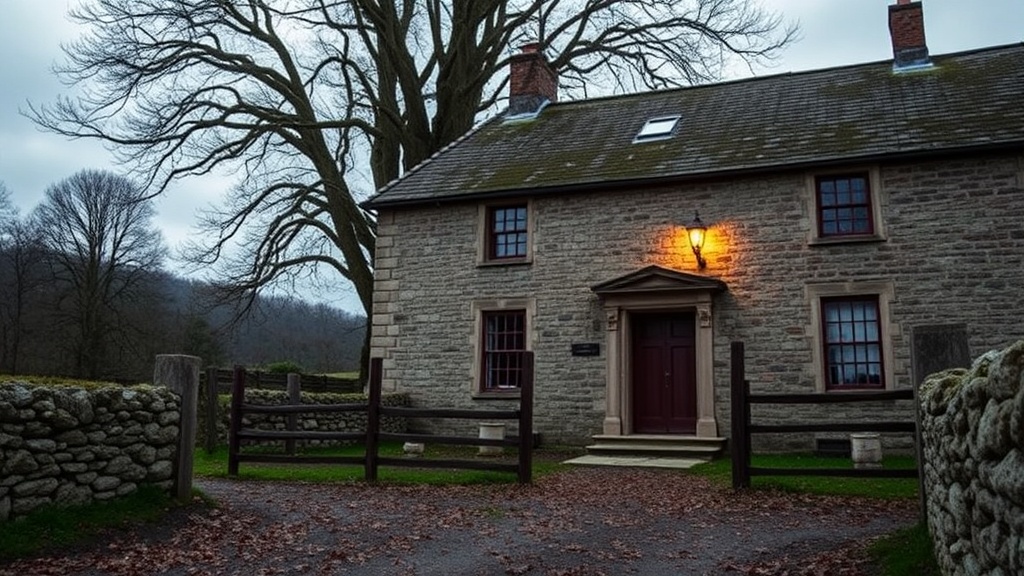
A short distance away, you’ll find the remnants of some of Dunrobin’s oldest homesteads. Many of these are now private residences, but their stone foundations, mature trees, and sometimes the overall layout of the property hint at their age. Look for characteristics like heavy timber framing, deeply set windows, and classic Ontario farmhouse designs. These homes were often built to last, using local materials and hardy construction techniques that spoke to the resilience of their builders. While we can’t trespass, observing from the roadside offers a glimpse into how generations have lived and worked this land.
For those interested in early community infrastructure, research into the former locations of Dunrobin’s first post office and schools is illuminating. The Dunrobin Historical Society, for instance, often compiles and shares resources that pinpoint these crucial sites. Their archives —