What Did the 2018 Tornado Teach Dunrobin About Community Resilience?

Living in Dunrobin means accepting that rural life comes with different challenges than urban Ottawa. When the power goes out or a storm hits, we can't rely on the same response times as Kanata or Stittsville. This guide covers the community organizations, emergency resources, and preparedness strategies that emerged from the 2018 tornado—and what every resident should know about keeping their family safe while staying connected to our community.
How Did the Dunrobin Community Respond to the 2018 Tornado?
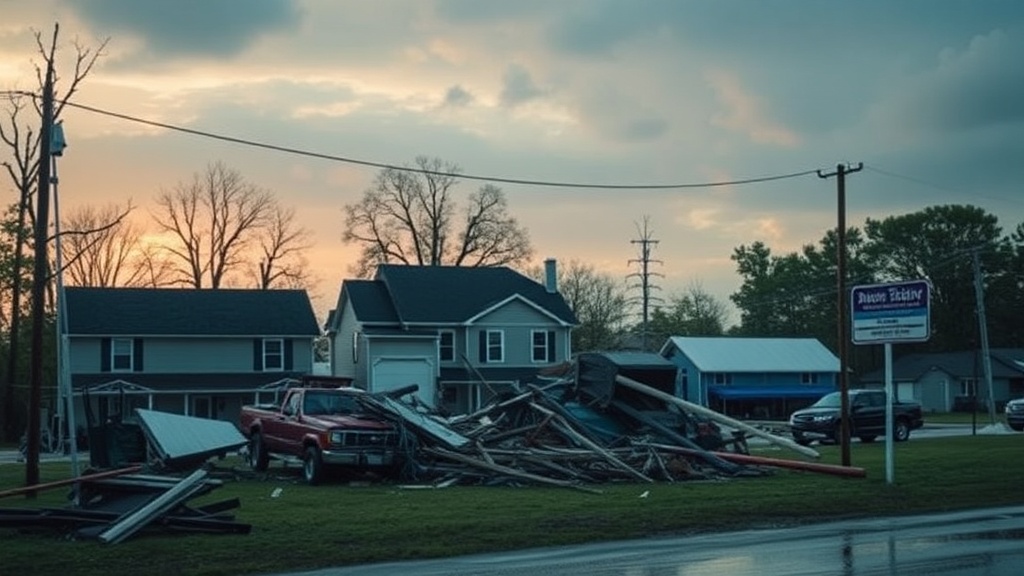
On September 21, 2018, an EF3 tornado tore through Dunrobin, damaging dozens of homes and displacing families within minutes. The storm carved a path of destruction that left many residents without power, water, or access to their properties for days. Within hours, neighbors were checking on neighbors, opening their doors to those without shelter, and sharing information through local Facebook groups and phone trees.
The tornado exposed uncomfortable gaps in rural emergency response. Many of us learned that cell service can vanish when towers lose power or become overwhelmed by traffic. Police and fire services prioritized the most severely damaged areas first, which meant some streets waited hours for official help. During that waiting period, it was the community itself that provided the first response.
Local residents formed impromptu chainsaw crews to clear driveways and roads. Others delivered food, water, and coffee to emergency workers stationed at intersections. Dunrobin Public School, located on Dunrobin Road, opened its doors as a temporary comfort centre for displaced residents. This organic, ground-level response revealed what rural resilience actually looks like in practice—it's not a top-down command structure, but a sideways network of neighbors helping neighbors because they know help from the city might be delayed.
Which Local Organizations Emerged From the Storm?
The tornado's aftermath saw the formation of organizations that still serve Dunrobin today. West Carleton Disaster Relief formed within days of the storm, coordinating hundreds of volunteers and managing donations for affected families. What began as an emergency response to the tornado has evolved into a permanent resource for the broader West Carleton area, including Dunrobin, ready to mobilize when ice storms, floods, or other disasters strike.
The Dunrobin Community Association strengthened its role as a communication hub, helping to disseminate information when official channels were overwhelmed or slow. Local churches, including St. Mary's Catholic Church on Dunrobin Road, formalized their emergency protocols and became distribution points for supplies. The Dunrobin Community Centre at 1137 Thomas A. Dolan Parkway updated its emergency preparedness plans, ensuring it can serve as a designated gathering point during future crises.
How Can Dunrobin Residents Prepare for Future Emergencies?
Living on the edge of Ottawa means accepting longer wait times for emergency services during major events. The tornado taught us that preparation isn't about paranoia—it's about practical self-sufficiency.
First, know your neighbors. During the 2018 tornado, the people who cleared driveways and checked on elderly residents weren't emergency workers in uniforms—they were the folks who live on your street and the next road over. Join or form a neighborhood contact list with names, phone numbers, and any specific needs (medications, mobility issues, pets).
Second, keep physical copies of important information. When cell towers failed along Dunrobin Road and surrounding areas, digital contact lists stored only on phones became useless. Write down phone numbers, insurance information, emergency contacts, and policy numbers on paper. Store this in your emergency kit and share copies with trusted neighbors.
Third, understand your property's specific vulnerabilities. Many Dunrobin homes are surrounded by mature trees that become hazards in high winds. Regular tree maintenance isn't just about aesthetics—it's about safety. Know which trees could fall on your home, driveway, or power lines.
Fourth, stock supplies for at least 72 hours. The tornado showed us that rural roads can be blocked by downed trees or power lines for days. Keep water (four liters per person per day), non-perishable food, medications, flashlights, batteries, and a battery-powered radio accessible. Don't forget pet food and supplies if you have animals.
Fifth, have a plan for extended power outages. Many Dunrobin homes have wells that require electricity to pump water. Without power, you lose water pressure. Fill bathtubs when storms approach, or consider a generator specifically for your well pump.
Where Can Residents Find Current Emergency Resources?
Several organizations now serve Dunrobin specifically, and knowing how to reach them before an emergency matters.
West Carleton Disaster Relief maintains an active volunteer base and can mobilize quickly during crises. They coordinate with Ottawa Emergency Management but operate with local knowledge of our specific roads and community needs. You can find information about volunteering or requesting assistance through their coordination with the City of Ottawa's emergency services.
The Dunrobin Community Centre at 1137 Thomas A. Dolan Parkway serves as a designated emergency gathering point. During the 2018 tornado, it became a hub for supplies, information, and charging stations. Even during normal operations, it's worth visiting the location—many residents discovered they didn't know exactly where it was until disaster struck and they needed it.
Ottawa Emergency Management provides specific resources for rural wards like ours. Their website includes maps of emergency routes and shelter locations that cover Dunrobin specifically, not just urban Ottawa. They offer guides for rural property preparedness that address our unique challenges—well water, septic systems, and longer response times. Visit Ottawa's emergency preparedness page for specific rural planning guides.
Local communication channels remain vital. The Dunrobin Community Association newsletter and local Facebook groups were the fastest ways to get real-time information during the tornado. Official channels are important, but during the immediate aftermath, the most current information came from neighbors posting photos and updates from their own streets. The Canadian Red Cross also provides resources for family emergency planning.
What About Everyday Community Resources?
Beyond emergency preparedness, Dunrobin offers resources that build community resilience year-round. Dunrobin Public School, located on Dunrobin Road, hosts events open to all residents—not just families with children. The school grounds include sports facilities, a playground, and green space that serve as informal community gathering points throughout the year.
The Dunrobin Community Centre runs programs that connect residents—fitness classes, meeting rooms, and seasonal events. These aren't just recreational opportunities; they're relationship-builders. The person you meet at a community centre yoga class or at the seasonal farmers market might be the one checking on you during the next ice storm or power outage.
Local businesses also form part of our support network. The commercial area along Dunrobin Road includes services that rural residents depend on—hardware supplies, fuel, and food. During the 2018 tornado, these businesses stayed open when possible and provided resources that chains elsewhere couldn't. Supporting them during normal times ensures they're viable when we need them during emergencies.
How Do We Stay Informed Between Crises?
The challenge with emergency preparedness is maintaining awareness when years pass between major events. After the tornado, many Dunrobin residents signed up for emergency alerts, bought generators, and trimmed trees—then gradually returned to old habits.
Stay connected through several channels to maintain readiness. The Dunrobin Community Association publishes regular updates about local issues, including infrastructure projects on Thomas A. Dolan Parkway and Dunrobin Road. Understanding these projects matters—they affect evacuation routes and emergency access if roads are closed for construction.
Ottawa's emergency notification system sends alerts to registered phones and emails. If you signed up after the 2018 tornado but have since changed your number or moved within Dunrobin, update your information. The system only works if it can reach you.
Physical community bulletin boards at the Dunrobin Community Centre and local businesses still matter in our rural context. Not everyone has reliable high-speed internet, and during emergencies, paper notices often outlast digital ones. Check these boards when you're out running errands.
Rural living in Dunrobin offers space, quiet, and connection to nature that urban Ottawa can't match. But it also requires a different mindset about self-reliance and community interdependence. The 2018 tornado proved our community can respond with remarkable strength, but it also showed us that preparation happens before the storm, not during it. Keep these resources handy—not because disaster is imminent, but because being ready lets us enjoy the peaceful rural life that brought us here in the first place.